Searching for "Campagne Frelons Asiatiques": Navigating the Search Silo
When you type "campagne frelons asiatiques" into a search engine, you're likely looking for information about organized efforts or campaigns to combat the invasive Asian hornet. It's a precise, vital query given the ecological threat posed by these formidable insects. However, as many users discover, the immediate search results can often be perplexing. Instead of finding government initiatives, beekeeper alliances, or pest control strategies, you might encounter dictionary definitions of the French word "campagne" or even references to French restaurants. This initial disjunction can be frustrating, leading to the impression that specific data on "campagne frelons asiatiques" is hard to come by in conventional sources. But why is this the case, and what does a truly effective campaign against Asian hornets entail?
The Misdirection of "Campagne": Why Your Search Comes Up Empty
The core of this search anomaly lies in the multi-faceted nature of the French word "campagne." While English speakers might immediately think of "campaign" in the context of an organized effort, the word "campagne" carries broader meanings in French. It can refer to:
- The countryside or rural area: This is a very common usage, evoking images of fields, farms, and nature. For example, "passer ses vacances à la campagne" means "to spend one's holidays in the countryside."
- A campaign or operation: This aligns more closely with the English "campaign," referring to a series of coordinated activities with a specific goal, such as a political campaign ("campagne électorale") or a military campaign.
- A season or period: It can denote a specific period for agricultural activity, like a harvest season ("campagne de moisson").
When search algorithms encounter "campagne" without sufficient surrounding context, they often prioritize the most common or generic definitions. This is why dictionary entries for "campagne" detailing its various translations and uses frequently appear at the top. These sources, while linguistically accurate, naturally contain no information about Asian hornets because their purpose is to define a word, not to provide ecological or pest control data.
Similarly, the appearance of "Cafe Campagne," a restaurant in Seattle, highlights another layer of misdirection. Named with a nod to the French countryside or a classic Parisian feel, this establishment has no thematic or operational connection to invasive hornets. It's simply a case of a proper noun sharing a common word with your search term.
The absence of relevant data in these specific sources isn't a failure of information existence, but rather an illustration of how search engines interpret language and context. It underscores the need for specificity when seeking highly specialized information. For a deeper dive into why these initial searches yield irrelevant results, you might find Why These Sources Lack Asian Hornet Campaign Details particularly insightful.
Understanding "Frelons Asiatiques": The Invasive Threat
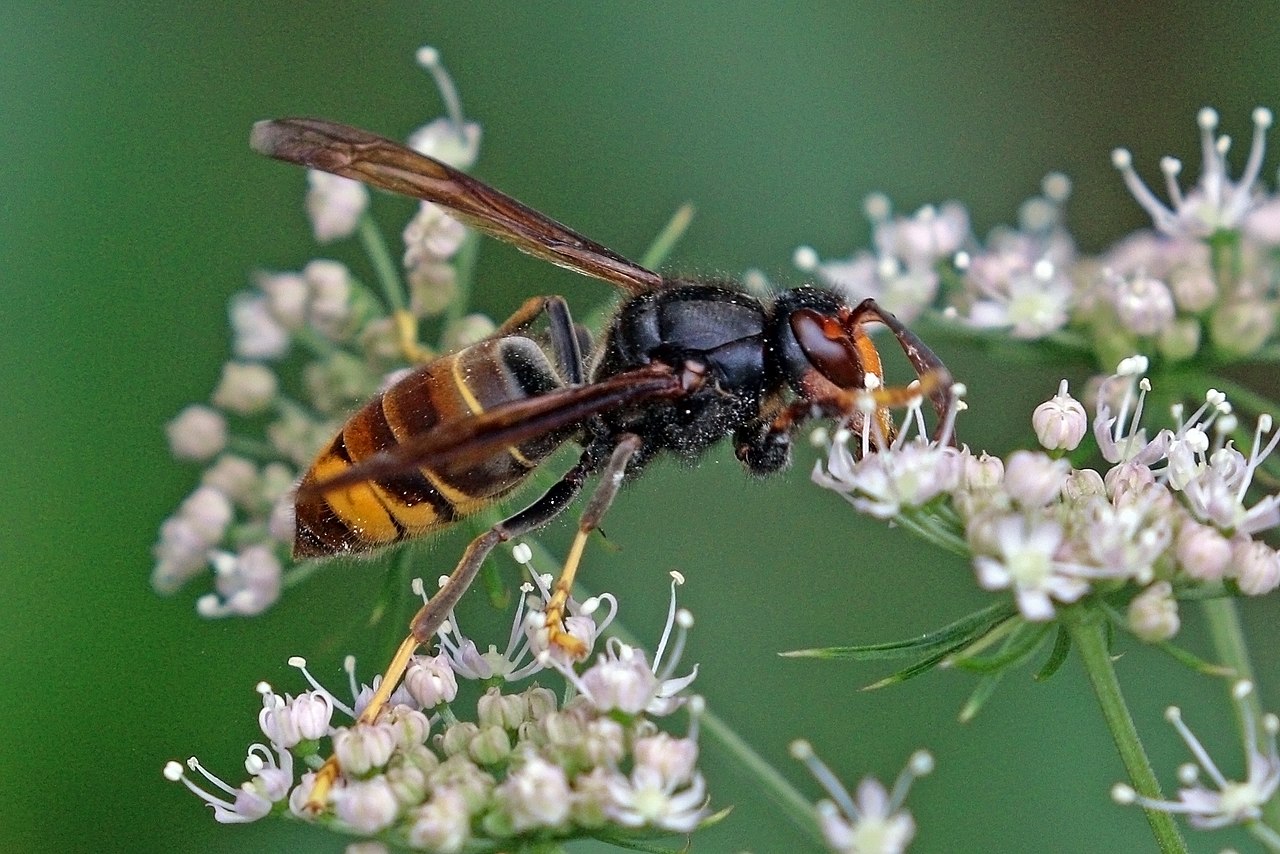
Beyond the linguistic nuances of "campagne," it's crucial to understand the significance of "frelons asiatiques." The Asian hornet, scientifically known as Vespa velutina nigrithorax, is an invasive species that has become a serious ecological and economic concern across Europe, particularly in France, Belgium, Spain, Portugal, Italy, and the UK. Originally from Southeast Asia, these hornets were accidentally introduced to France around 2004, likely via a shipment of pottery.
Their rapid spread is alarming due to several key factors:
- Predation on Honeybees: Asian hornets are voracious predators of honeybees and other pollinators. They hover outside beehives, catching bees as they enter and exit, often decimating entire colonies. This directly impacts beekeeping industries and agricultural pollination.
- Impact on Biodiversity: Beyond honeybees, they prey on a wide range of native insects, disrupting local ecosystems and reducing biodiversity.
- Public Health Nuisance: While generally not aggressive unless their nests are disturbed, their presence in urban and suburban areas can cause public concern. Stings can be painful and, in allergic individuals, dangerous.
- Rapid Reproduction: A single queen can establish a large colony, producing many new queens that go on to found their own nests, leading to exponential population growth.
Given these profound impacts, the need for effective "campagne frelons asiatiques" (Asian hornet campaigns) is not just important, but urgent. These campaigns represent a coordinated, multi-pronged approach to manage, control, and ideally, reduce the populations of these invasive pests.
What "Campagne Frelons Asiatiques" *Should* Entail: A Glimpse into Real-World Efforts
An effective "campagne frelons asiatiques" is a comprehensive, multi-layered strategy involving various stakeholders from government agencies and scientific communities to local communities and individual citizens. Here’s what such a campaign typically encompasses:
- Public Awareness and Education: This is the foundational element. Campaigns must inform the public about how to identify Asian hornets and their nests, differentiate them from native species (like the European hornet, Vespa crabro), and understand the risks. Educational materials often include detailed identification guides, fact sheets, and workshops.
- Monitoring and Reporting Systems: Early detection is key to control. This involves establishing clear channels for reporting sightings, often through dedicated phone lines, websites, or mobile apps. Citizen science initiatives encourage the public to report sightings, providing crucial data for tracking the hornet's spread.
- Trapping Strategies:
- Spring Trapping: Targeted trapping in early spring aims to capture queen hornets emerging from hibernation before they can establish primary nests. This can significantly reduce the number of potential colonies.
- Bait Traps: Throughout the season, specific bait traps can be deployed to reduce hornet numbers, especially around vulnerable areas like apiaries. It's critical to use species-selective baits to avoid harming native insects.
- Nest Location and Destruction: Once a sighting is confirmed, efforts focus on locating and safely destroying nests. Asian hornets build characteristic, often large, pear-shaped nests high in trees or sometimes in sheltered urban areas. This task is dangerous and requires trained professionals, typically pest control experts or fire brigades, who use specialized equipment to safely neutralize the nests, usually at night when hornets are less active.
- Research and Development: Ongoing scientific research is vital for improving control methods. This includes developing more selective traps, exploring biological control agents, understanding hornet behavior, and predicting their spread patterns.
- Cross-Border Collaboration: Since hornets do not respect national boundaries, international cooperation between affected countries is essential for sharing data, best practices, and coordinating strategies.
- Legislative and Funding Support: Governments play a critical role in allocating resources, implementing legislation for invasive species control, and providing financial support for local initiatives.
Individuals can contribute significantly by staying informed, reporting sightings accurately, and engaging in responsible spring trapping if local guidelines permit. Understanding the comprehensive nature of these efforts sheds light on why a superficial dictionary review of "campagne" can't cover the real depth of the issue. To learn more about how "campagne" and Asian hornets are understood in different contexts, read Understanding "Campagne": No Asian Hornet Content in This Review.
The Urgent Need for Coordinated Action Against Asian Hornets
The "campagne frelons asiatiques" is not merely a reactive measure; it's a proactive defense against an escalating environmental crisis. The longer an infestation goes unchecked, the more entrenched and widespread the hornets become, making eradication or even significant control exponentially more difficult and costly.
Without coordinated campaigns, several critical risks intensify:
- Irreversible Ecological Damage: Native pollinator populations, already under threat from habitat loss and pesticides, face an additional, significant pressure. The loss of pollinators can have cascading effects throughout ecosystems, impacting plant reproduction and food chains.
- Economic Devastation for Beekeepers: Beekeepers can face substantial financial losses due to decimated colonies, requiring costly re-stocking or leading to business closures.
- Increased Public Risk: While not inherently aggressive, a higher density of hornets and nests in populated areas increases the likelihood of human-hornet interactions and stings, placing a greater burden on emergency services.
- Loss of Native Species: The Asian hornet's broad diet means it preys on many native insect species, potentially leading to local extinctions and further destabilizing ecological balance.
Therefore, the ongoing and evolving nature of "campagne frelons asiatiques" demands continuous vigilance, public engagement, and scientific innovation. From local volunteers deploying spring traps to national governments coordinating regional responses, every effort contributes to mitigating the threat posed by this formidable invasive species.
In conclusion, while a search for "campagne frelons asiatiques" might initially lead you down a linguistic rabbit hole or to a charming French restaurant, the underlying intent of your query points to a very real and pressing ecological challenge. The critical campaigns against Asian hornets are multifaceted, essential, and ongoing endeavors designed to protect biodiversity, support agriculture, and ensure public safety. Understanding the complex nature of the threat and the coordinated efforts required to combat it is the first step towards contributing to a successful "campagne frelons asiatiques" in your own community.